
How to Tape the Nose After Rhinoplasty
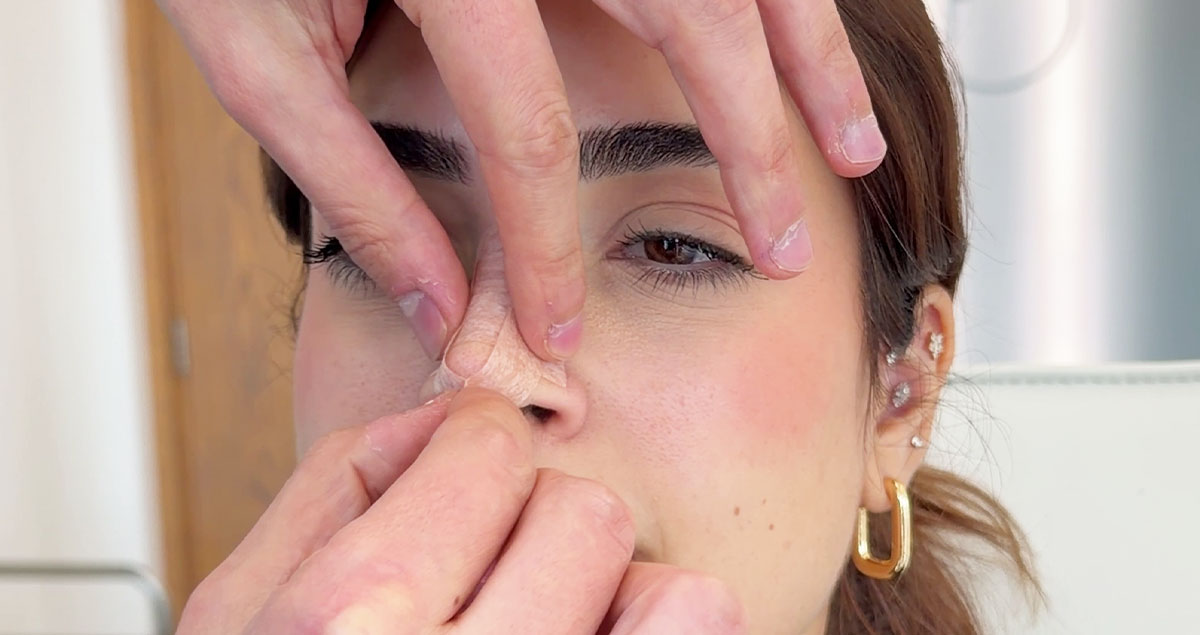
Taping the nose after rhinoplasty is a simple and effective technique that supports the early healing process. It can help control swelling, protect the nasal structure, and contribute to achieving a refined long‑term result. This method is commonly recommended by surgeons during the first weeks after cast removal.
When to Start Taping
Taping can be started **immediately after the cast is removed**. At this stage, the nasal tissues are still fragile, and mild pressure applied through taping can help guide the healing process.
How Long to Continue Taping
A typical recommended schedule is:
- First 2 weeks: tape the nose day and night
- Following 2 weeks: tape the nose
Taping may be continued for longer if swelling persists. Some patients—especially those with thicker skin or strong postoperative edema—benefit from taping for several additional weeks.
Benefits of Taping
Taping has several medically recognized advantages:
- Controls swelling:
- Shapes and supports the nose:
- Protects from accidental hits:
- Improves skin–soft tissue adherence:
The gentle compression helps reduce postoperative edema. Several studies in plastic surgery literature confirm that taping can accelerate the resolution of swelling, especially in thick‑skinned patients.
By providing external structural support, taping can help maintain the desired contour during the early healing phase.
The tape acts as a small shock absorber, reducing the impact of minor bumps.
Compression promotes better adaptation of the nasal skin to the underlying framework, improving long‑term definition.
When to Stop Taping
You should stop taping if:
- You develop skin irritation, redness, itching, or peeling
- There are signs of infection on the skin or inside the nose
- There is no more visible swelling, and taping no longer provides benefit
Always consult your surgeon before discontinuing taping earlier than advised.
Conclusion
Taping is a simple yet powerful postoperative tool that can significantly improve healing after rhinoplasty. It helps reduce swelling, protect the nasal structure, and support the final aesthetic outcome. When used properly and consistently, it becomes an important part of your recovery journey.