
Revision Rhinoplasty: When Is It Needed and What to Expect?
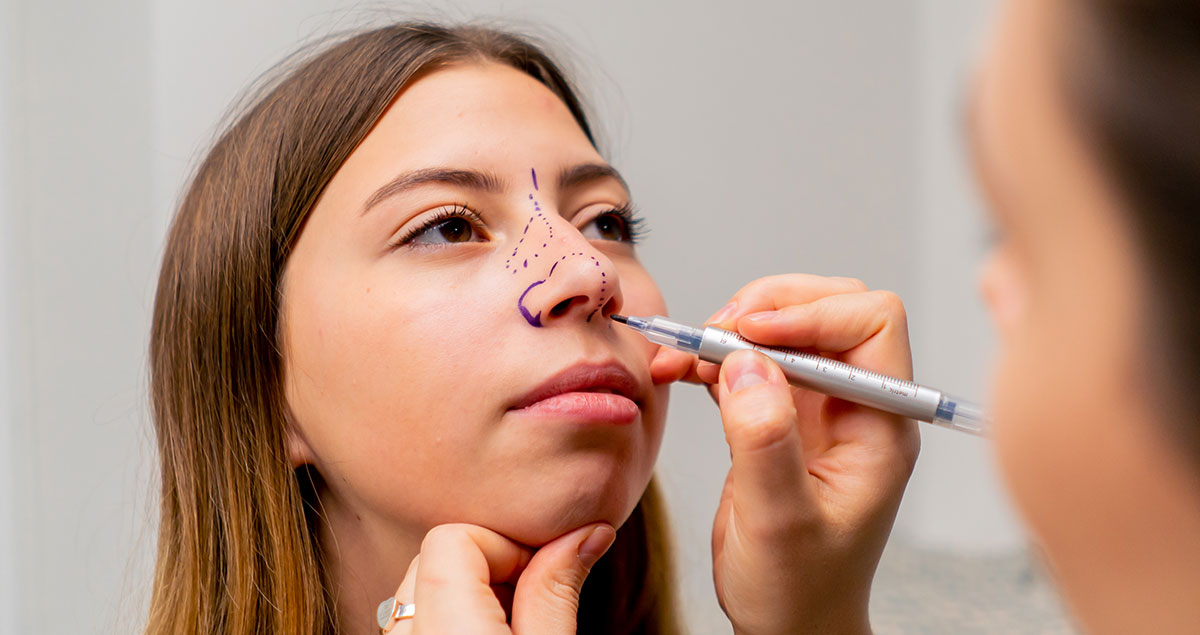
Revision rhinoplasty is a corrective procedure performed to improve the results of a previous nose surgery. Patients in Dubai, Beirut, and those who travel to these cities for treatment often seek revision rhinoplasty when their initial procedure does not meet expectations—whether aesthetically, functionally, or both.
This operation requires advanced surgical skill and experience, as the anatomy has already been altered once and tissues may be more delicate. Understanding when revision rhinoplasty is necessary and what the process involves can help patients make informed decisions.
When Is Revision Rhinoplasty Needed?
Revision rhinoplasty may be recommended in the following cases:
- Persistent breathing difficulties after the first surgery
- Residual dorsal hump or irregular nasal bridge
- Drooping, asymmetric, or over-rotated nasal tip
- Excessive removal or collapse of cartilage
- Unnatural or undesired aesthetic results
- Post-surgical trauma affecting the structure
When Should Revision Rhinoplasty Be Performed?
Most surgeons recommend waiting at least 12 months after the primary rhinoplasty before considering revision. This allows swelling to fully resolve and the final shape to stabilize. Dubai and Beirut—both rhinoplasty hubs—often receive patients seeking second opinions during this period.
The Challenges of Revision Rhinoplasty
Revision procedures are more complex due to:
- Scar tissue from the previous surgery
- Altered cartilage or bone structure
- Weakened nasal support
- Limited available cartilage (grafts may be needed)
Because of these challenges, choosing a highly experienced surgeon is essential to achieving a successful outcome.
The Role of Cartilage Grafts
In many revision cases, cartilage grafts are needed to rebuild or support the nasal structure. Surgeons may use cartilage from:
- The septum (if available)
- The ear
- The rib (for major reconstruction)
What Results Can Patients Expect?
Revision rhinoplasty aims to correct asymmetry, restore a natural contour, and improve breathing function. While the healing process may be longer than the primary surgery, knowledgeable surgeons in Dubai and Beirut can achieve refined and natural results.
Conclusion
Revision rhinoplasty is a highly specialized procedure that restores both form and function. With realistic expectations and the guidance of an experienced surgeon, patients can achieve improved nasal harmony after an unsatisfactory first operation.
Frequently Asked Questions
How soon after a primary rhinoplasty can revision be done?
Most surgeons recommend waiting 12 months to allow full healing before undergoing revision rhinoplasty.
Is revision rhinoplasty more difficult?
Yes. Scar tissue, weakened cartilage, and altered anatomy make revision more complex and demanding.
Do revision procedures require cartilage grafts?
Often yes. Cartilage from the septum, ear, or rib may be used to rebuild nasal support.