
Rhinoplasty Recovery Timeline: What Patients in Dubai & Beirut Should Expect
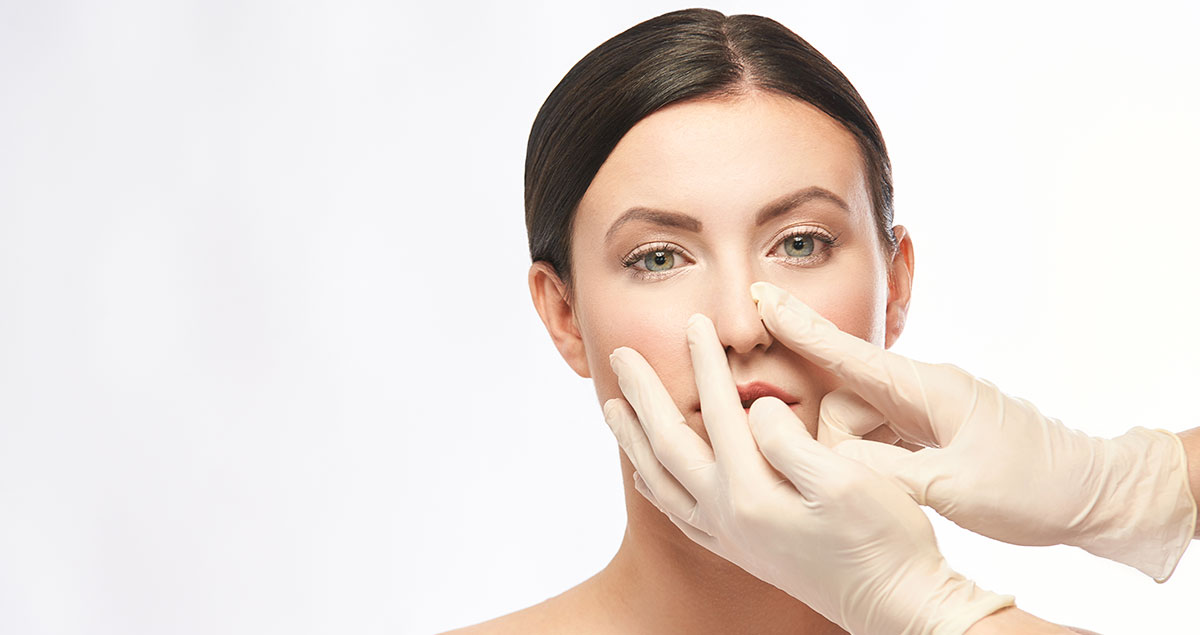
The recovery period after rhinoplasty is a crucial phase that shapes the final outcome of the procedure. Whether undergoing surgery in Dubai, Beirut, or traveling specifically to these cities for treatment, understanding the timeline helps patients plan ahead and maintain realistic expectations. While every healing journey is unique, there are general milestones that most patients can rely on.
The First Week: Initial Healing
The first week typically includes swelling, mild discomfort, and the presence of a nasal cast. Patients in Dubai and Beirut often prefer scheduling this phase during a quiet period, as rest is important. Most people can resume light activities after the first few days, but the cast is removed around day 7.
Weeks 2 to 4: Early Improvement
After cast removal, patients notice an immediate change in their nose shape, although swelling is still present—especially around the tip. During this period, surgeons often recommend nighttime taping to help control swelling, particularly for those with thicker skin.
Months 1 to 3: Stabilization Phase
Swelling continues to decrease gradually. Patients traveling to Dubai or Beirut for surgery often plan a short stay for follow-ups, then handle the rest of their recovery remotely with guidance from their surgeon.
This stage typically includes:
- Improved breathing
- Greater definition in the bridge and tip
- Reduction of postoperative stiffness
Months 3 to 12: Final Refinement
The nose continues to refine as deep swelling resolves. Tip definition becomes more visible, and the overall harmony of the nose and face becomes clearer. In patients with thick skin—a common characteristic in the Gulf and the Levant—the final results may take slightly longer but still evolve beautifully with time.
Flying After Rhinoplasty
Patients who travel for surgery often ask when they can safely fly. Most surgeons approve flying 7–10 days after the operation, once the cast is removed and initial swelling is under control. However, extended journeys should be planned with the surgeon’s guidance.
Conclusion
Recovering from rhinoplasty is a gradual process, but understanding the timeline can make the journey smoother and more predictable. Whether the procedure is performed in Dubai or Beirut, following the surgeon’s instructions and attending scheduled follow-ups contribute to long-lasting, natural results.
Frequently Asked Questions
How long does swelling last after rhinoplasty?
Most swelling improves within the first month, but refinement can continue for 6–12 months, especially for thick-skinned patients.
When can I resume normal activities in Dubai or Beirut?
Light activities can resume after a few days, while exercise and heavy activities should be avoided for 3–4 weeks.
When is it safe to fly after surgery?
Most surgeons allow flying 7–10 days after the procedure, once the cast is removed. Always confirm with your surgeon.